Oct 9, 2026Buying Guides
CE Marking for Hand Tools: What Needs It, and What Doesn't
Manual pliers and hammers are outside CE marking - while a mains-powered soldering iron is not. A plain-language map of the rules, and the 2027 shift to watch.
The rule behind CE marking
CE marking is not a general quality stamp - it is a legal claim that a product complies with specific EU harmonisation legislation, and it is mandatory only for the product categories those laws cover. The corollary surprises many buyers: products that fall outside every CE directive must not carry the mark at all. So the first compliance question for a tool range is not 'how do we get CE?' but 'which of these lines are actually in scope?' For a hand tool range, the answer usually splits the catalog in two.
Manual hand tools: usually outside CE marking
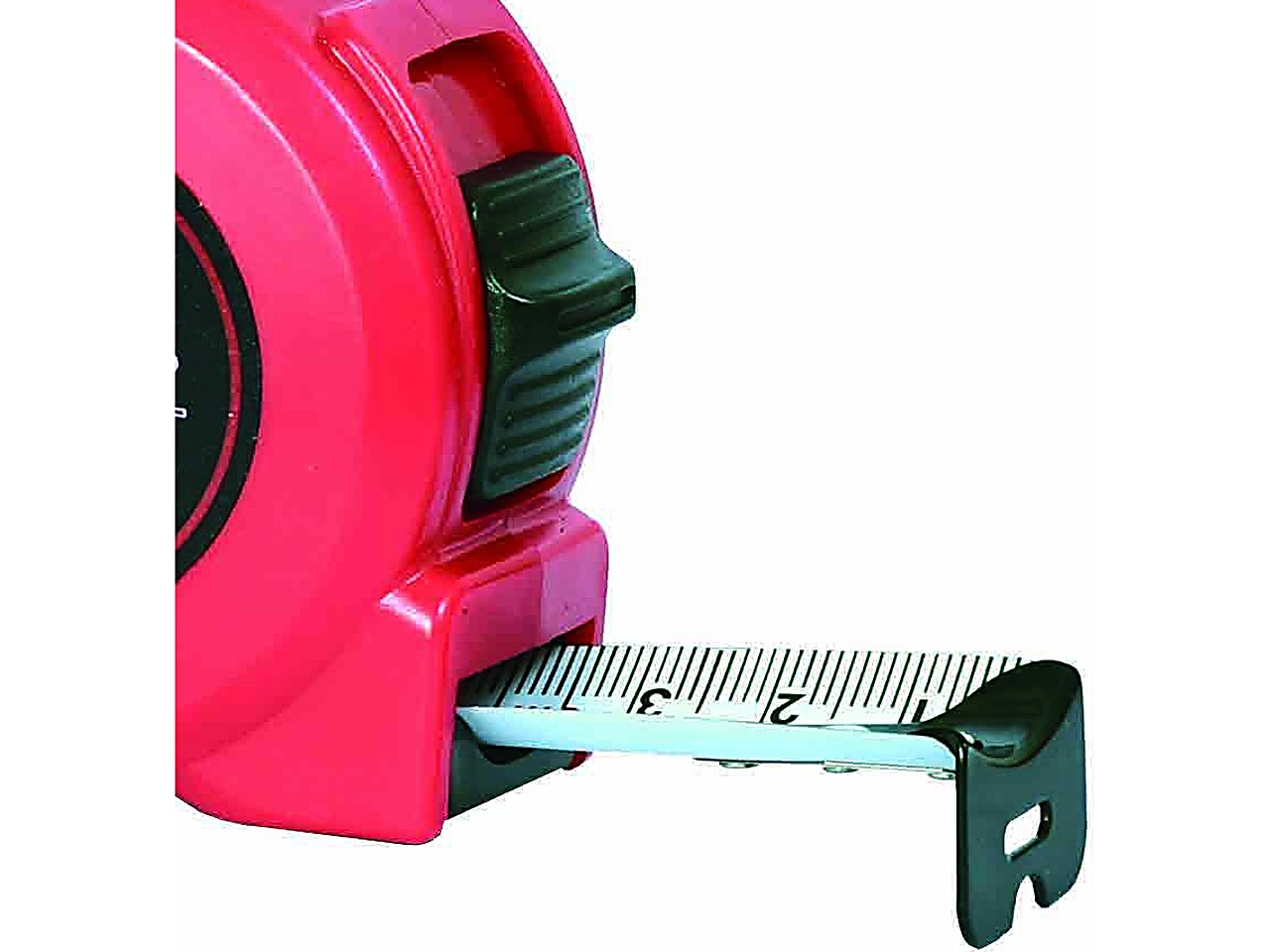
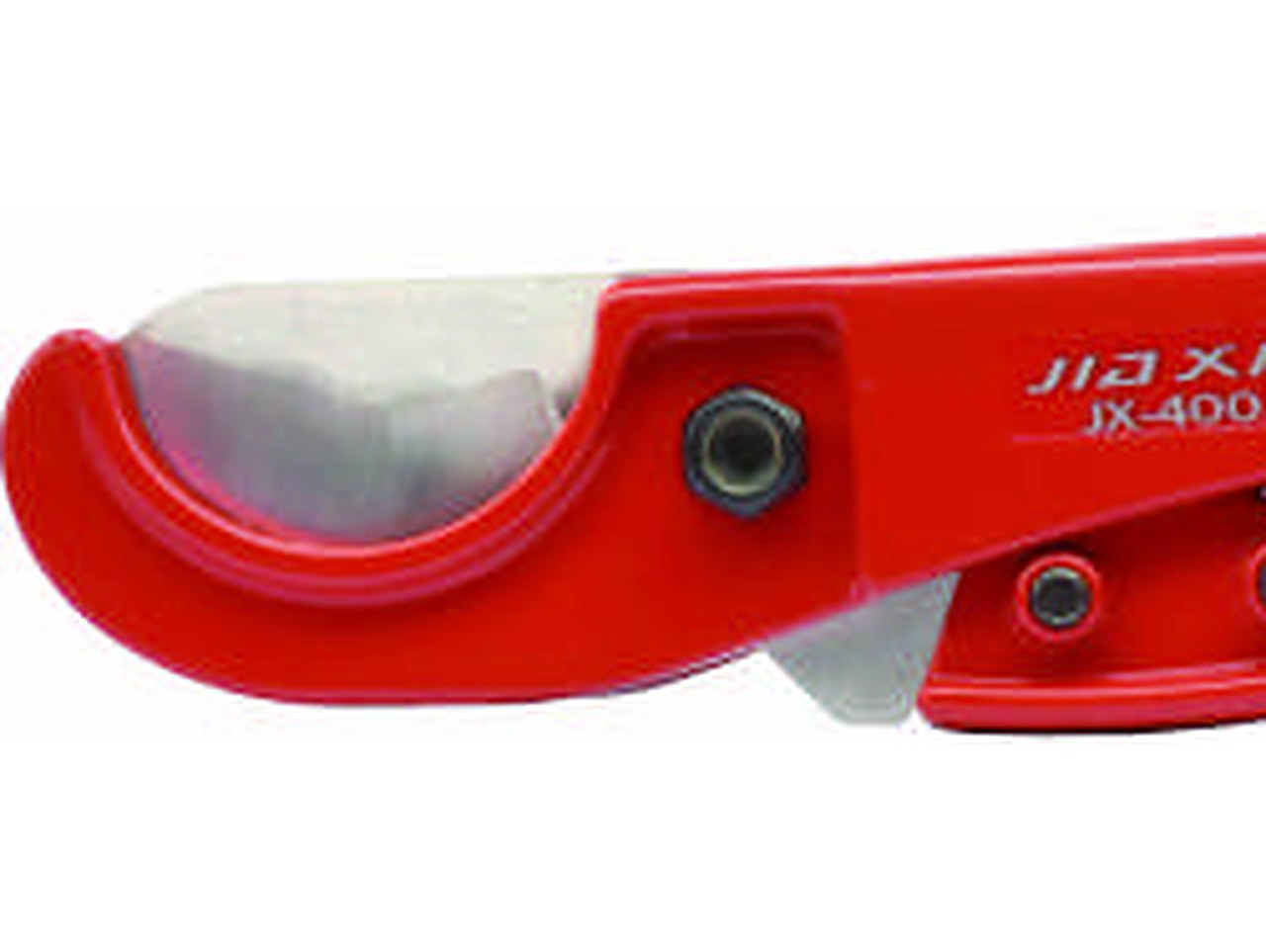
Purely manual tools - pliers, wire cutters, hex keys, hammers, tape measures, PVC pipe cutters, hand riveters - are driven by human force and stop when that force stops. They fall outside the machinery legislation's definition of machinery, and they are not covered by the Low Voltage or EMC directives. No CE marking applies. What does apply is general product safety law: today that means the GPSR (Regulation (EU) 2023/988), which is about who is responsible for a safe product and how it is identified - not about a mark on the tool. One line in a tool catalog deserves a carve-out: a tester screwdriver or voltage tester rated for mains voltage is itself electrical equipment, normally CE-marked under the Low Voltage Directive and self-declared in the same way as the soldering iron - so it belongs with the powered group below, not here.
Electric tools are different: the soldering iron case
Mains-powered equipment rated 50 to 1000 volts AC (or 75 to 1500 volts DC) sits under three CE directives at once: the Low Voltage Directive 2014/35/EU for electrical safety, the EMC Directive 2014/30/EU for electromagnetic behaviour, and RoHS 2011/65/EU for restricted substances. A 220-volt soldering iron is the classic example in a tool catalog - it is CE-marked, self-declared in most cases (Module A, internal production control), documented against harmonised standards such as EN 60335-1 with EN 60335-2-45 for portable heating tools, EN 55014-1 and -2 for EMC, and EN IEC 63000 for RoHS. The technical file and EU Declaration of Conformity stay on hand for 10 years after the last unit is placed on the market. Where the powered product is itself machinery - a hand-held power tool rather than a heating appliance - the Machinery Directive joins the list and the safety standards change accordingly. Battery-powered or low-voltage variants move around this map: EMC and RoHS normally still apply, while the Low Voltage Directive only bites once mains voltages are involved - often through the charger rather than the tool.
The 2027 shift worth preparing for now
The Machinery Regulation (EU) 2023/1230 replaces the old Machinery Directive and applies from 20 January 2027. The household-appliance carve-out remains, now tied to the Low Voltage or Radio Equipment Directives; the genuinely new elements are digital instructions, cybersecurity-related requirements for connected products, AI-related safety functions and an expanded higher-risk category list. For importers of powered ranges, the months before 20 January 2027 are the preparation period: standards and technical files built now carry over into the new regime far more cheaply than retrofits later.
The EU responsible person: the piece beyond CE
Separate from CE marking, Regulation (EU) 2019/1020 and the GPSR require an economic operator established in the EU to stand behind every product placed on the market - a manufacturer, importer, authorised representative or fulfilment provider. For a Chinese factory exporting to the EU, that role usually lands on the European importer, whose name and contact details must appear on the product or its packaging. CE compliance and responsible-person compliance are two different boxes, and shipping skips neither.
Five questions for your supplier
1) Which lines in this range are mains-powered, battery-powered or purely manual? 2) For the powered lines, can you share the EU Declaration of Conformity and the harmonised standards cited? 3) Which party is the EU responsible person for our market, and how will their details appear on the label? 4) What technical documentation is kept for the powered lines, and for how long? 5) How will the range be positioned ahead of the Machinery Regulation applying in January 2027?
Mapping a range for the EU market? Send the model list and destination through the contact page - the export team confirms which lines are manual, which are powered, and the documentation that travels with each.