Oct 15, 2026Buying Guides
Claw Hammer Buying Guide: Weight Class, Handle Steel and Grip
A claw hammer is chosen by weight class, head steel and handle material - forged high-carbon heads, glass fibre handles and what a 250 g hammer is actually for.
The three decisions in every claw hammer
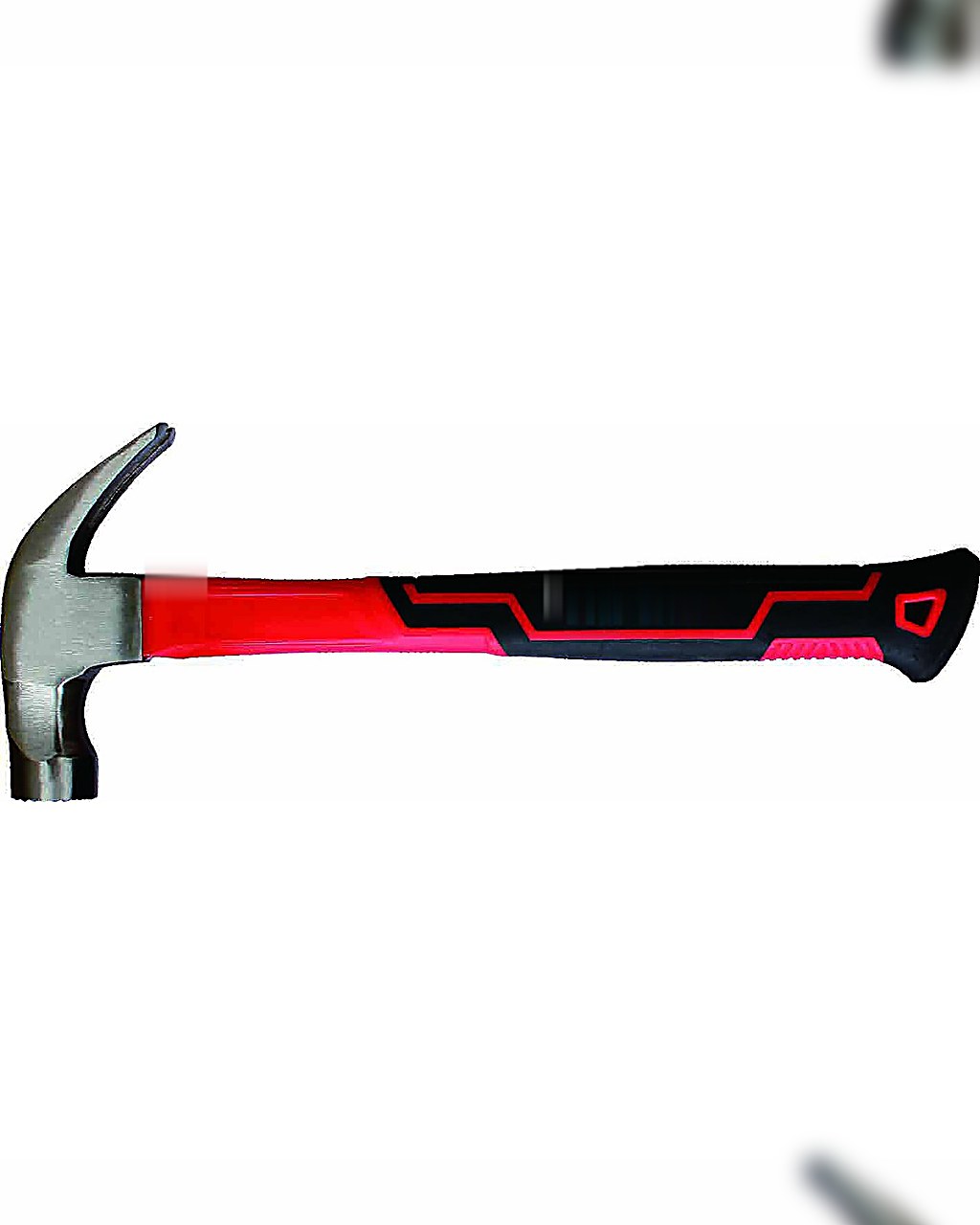
Buyers specify a claw hammer on three axes: the weight class of the head, the steel and forging method behind it, and the handle material that decides shock behaviour and durability. Get the three right and one SKU covers a trade; get them wrong and the tool gets returned. The catalog's hammer line is a useful anchor for the discussion - its KK-872 is a round-head magnetic claw hammer with a high-carbon steel head and a glass fibre handle at 250 g.
Weight class: what 250 g means on the job
Hammer heads are sized for the work. Light heads, commonly in the 200-300 g class - like the 250 g KK-872 - drive small nails, tack and light assembly work, and they suit electrical, finishing and workshop tasks where control beats impact. Heavier framing classes, commonly in the 450-600 g range, drive and pull larger carpentry nails. The claw geometry matters alongside weight: a curved claw pulls nails with a rolling action; a straight rip claw prys and splits. Round-head hammers, as on the KK-872, are the form electricians and finishers commonly prefer because the rounded profile works in tighter spots.
Head steel: forged high-carbon versus cast
The trade-off at the head is forged versus cast. A forged high-carbon steel head is hammered into shape from heated bar, which works the grain into a denser, tougher structure - the standard for hammers that strike and get struck. Cast heads are cheaper to make but more brittle under repeated shock, which is why the hammer trade's quality lines are forged. Hardness matters at two points: the striking face must be hard enough not to mushroom, and the claw tough enough not to snap when pulling. The KK-872 states a high-carbon steel head, which is the conventional material route to that balance.
The magnetic head detail
The KK-872's round head is magnetic - a small feature with real daily value. A magnetised face or nail-starting recess holds the nail or small steel fastener at the head, so the first taps can be made one-handed at arm's length, on ladders or in awkward positions. For trades that set many small fasteners, it is the difference between holding position and repositioning; for a range buyer it is a low-cost differentiator that shows in demos.
Handle: glass fibre versus wood versus steel
The handle decides how strike energy returns to the hand. Steel handles are near-indestructible but transmit the most shock; wood - traditionally hickory - absorbs well but can dry, split and loosen; glass fibre, as on the KK-872, is the modern default for trade ranges because it dampens vibration, holds up to site conditions and does not weather-check in dry containers or humid climates. Grip finish is the last variable: a textured or rubberised overmould keeps wet-hand control.
Specifying the line
1) Match weight class to the end trade - light assembly and electrical work around 250 g, general trade one class heavier. 2) Confirm the head is forged high-carbon steel, not cast. 3) Choose handle material by climate and duty: glass fibre for damp or mixed-climate export markets. 4) Decide whether the magnetic feature fits the buyer's trades. 5) Check the published carton data - a 250 g hammer with glass fibre handle packs differently from a wood-handle equivalent.
Specifying hammers for a range? Send the weight classes, quantities and destination market through the contact page - the export team returns the carton data and the head-handle options in the same reply.