Oct 15, 2026Buying Guides
Combination Pliers vs Multi-Functional Wire Pliers: Sizing the Line
A 150 mm CR-V combination plier and a 225 mm multi-functional wire plier solve different problems. Jaw geometry, cutting capacity and the insulation question - mapped for range buyers.
Two pliers, two jobs
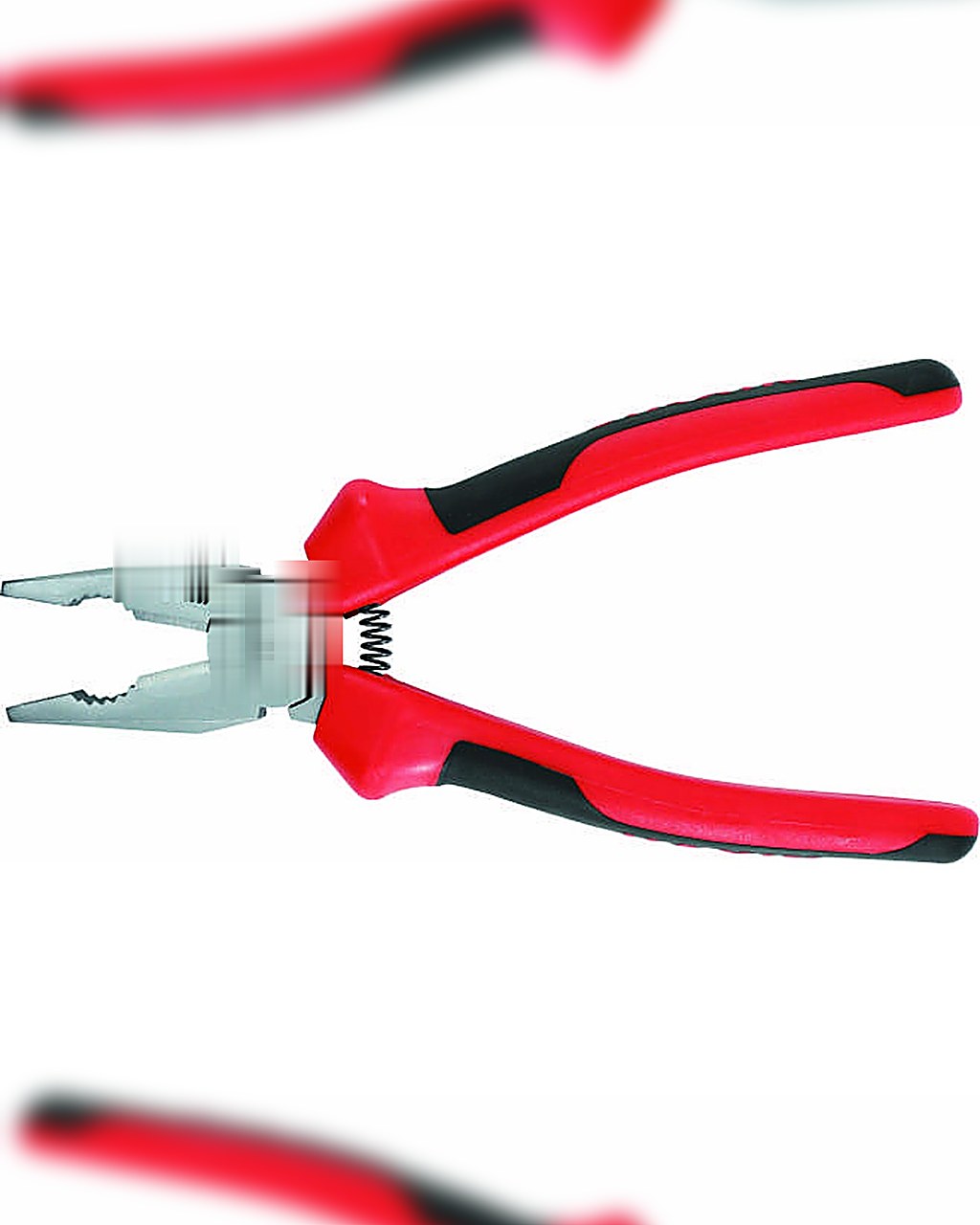
A tool range rarely needs one plier - it needs the right two. The catalog anchors the discussion: the KK-101 combination plier at 150 mm in chrome vanadium steel with a 1.6 mm cutting capacity, and the KK-121 multi-functional wire plier at 225 mm with a 2.2 mm capacity, a return spring and a wire-stripping hole. Different working envelopes - and the difference decides which jobs each one owns.
What a combination plier does
The combination plier is the generalist: serrated jaws for gripping and turning, a pipe grip section for rounded stock, and side cutting edges near the pivot for wire. At 150 mm it is a one-hand tool for electronics, appliance assembly and fine wiring - the size trades leverage for control. Chrome vanadium steel, the KK-101's stated material, is the conventional choice here: tough enough for cutting edges, affordable enough for volume lines. The 1.6 mm figure is the practical cutting envelope - the wire diameter the edges are rated to shear cleanly, typically stated for medium-hard steel wire.
What the multi-functional wire plier adds
At 225 mm the KK-121 brings leverage: bigger hands, thicker stock, repetitive cutting. The multi-functional layout combines gripping jaws, a heavier cutting zone rated at 2.2 mm, and the two features that define the class - a return spring that reopens the jaws between cuts during repetitive work, and a wire-stripping hole that removes insulation at common conductor sizes without nicking the copper. For cable preparation and installation work, those two features replace a separate spring tool and a separate stripper.
The insulation question buyers must get right
Neither tool is an insulated tool. Pliers rated for live work carry a 1000-volt tested insulation marking - a certification the range buyer must specify explicitly, not assume from a plastic grip. Uninsulated pliers, including both catalog models, are for dead work: gripping, cutting and forming on de-energised conductors and general material. The safe specification is deliberate: uninsulated CR-V pliers for assembly and fabrication work, separately certified VDE-class tools where electricians work live. Conflating the two is the classic listing error - and the one safety authorities read first.
Stocking logic for a range
1) Lead with the generalist: a 150 mm combination plier covers the widest buyer base. 2) Add the 225 mm multi-functional model for trades doing repetitive cable work - the spring and stripping hole are the selling line. 3) Match cutting capacities to the market's common wire - 1.6 mm and 2.2 mm cover light assembly and installation work respectively. 4) If the market serves electricians, source separately certified insulated tools rather than blurring the boundary. 5) Read the carton data: the two sizes pack at different densities and the freight math shows it.
Building the pliers block of a range? Send the sizes, quantities and destination market through the contact page - the export team returns both models' carton data with the quote.