Oct 14, 2026Buying Guides
EU Machinery Regulation 2027: What Powered Tool Importers Prepare Now
From 20 January 2027 the Machinery Regulation 2023/1230 replaces the 2006/42/EC directive. Digital instructions, importer duties and software-era obligations - what changes for powered tool ranges.
The date that matters: 20 January 2027
Regulation (EU) 2023/1230 entered into force in July 2023 and applies from 20 January 2027, replacing the Machinery Directive 2006/42/EC. Machinery placed on the EU market after that date must comply with the new rules; stock lawfully placed on the market before it keeps selling. For importers of powered tool ranges - mains or battery tools with moving or powered parts - the 2026 window is the preparation period, and the work is mostly documentation and process, not redesign.
What genuinely changes
Three shifts carry practical weight. First, instructions can now be supplied digitally by default - with paper supplied free of charge within one month on request, paper remaining the default for consumer machinery, and digital versions staying accessible for around ten years in the language of the market. Second, the regulation is written for software-era products: safety requirements explicitly address machinery with digital and connected functions, so a connected tool's app and firmware behaviour is part of its safety case. Third, the EU declaration of conformity can be digital, which simplifies the folder but not the substance.
Importer duties, now written into the text
The directive era left importer duties mostly to general rules; the regulation names them in Article 13. Before placing machinery on the market the importer verifies that the manufacturer did its part - CE marking, EU declaration of conformity, technical documentation available. The importer's own name, trade name or mark and postal address go on the machinery or its packaging, keeping the traceability chain intact. If an importer believes a unit is non-compliant, it does not ship, and the manufacturer and market surveillance authorities are informed. Article 17 adds the consequence for private labelling: putting machinery on the market under your own name, or modifying it, moves the manufacturer's obligations onto you.
What stays the same
The machinery safety philosophy carries over: essential health and safety requirements, harmonised standards as the presumption-of-conformity route, CE marking and the conformity-assessment modules. Notified-body involvement becomes mandatory for a short list of high-risk categories in Annex I Part A - industrial machinery families, not hand-held trade tools. For a typical powered hand tool range, the route remains self-assessment against harmonised standards, with the technical file and declaration as the evidence.
A 2026 preparation list for powered ranges
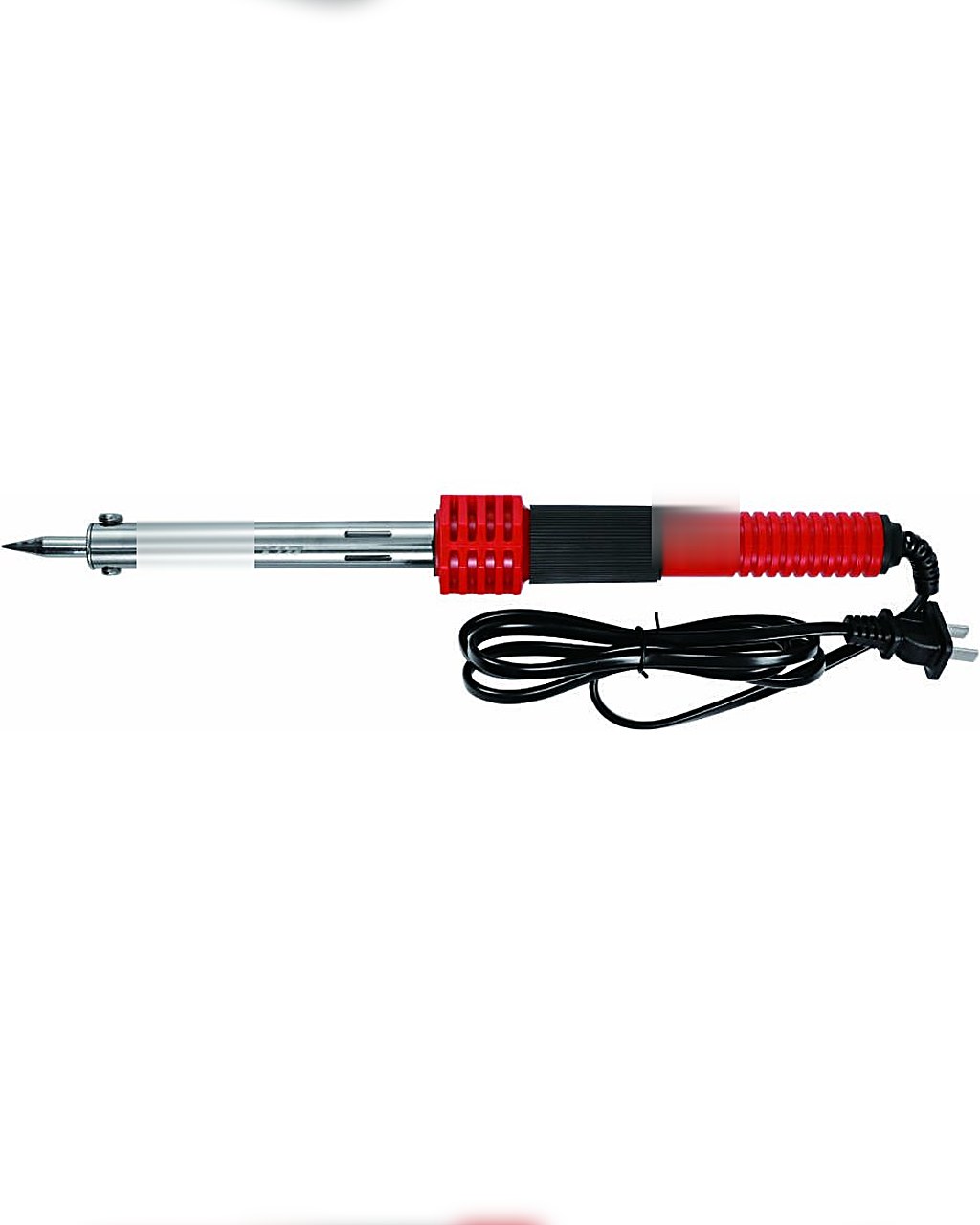
1) Inventory which lines count as machinery under the definition and which sit under other regimes - a mains soldering iron, for instance, travels under the Low Voltage and EMC directives rather than machinery law. 2) For the machinery lines, ask the factory how instructions will be delivered after January 2027 and who hosts the ten-year digital access. 3) Confirm label artwork carries the importer identity block. 4) File the EU declarations and technical documentation per line, in the importer's market language. 5) If you sell under your own brand, read Article 17 first - the obligations move with the name.
Planning powered lines for the 2027 change? Send the model list and destination market through the contact page - the export team confirms which regime each line falls under and the documentation that ships with it.