Oct 14, 2026Buying Guides
HS Codes for Hand Tools: How Importers Classify Pliers, Hammers and Testers
Pliers sit in 8203, screwdrivers in 8205 - but hex keys land in 8204 and tape measures leave Chapter 82 entirely. A clearance-safe map of the range, with the traps that misroute shipments.
Why classification is a cost question, not paperwork
A hand tool range crosses a border as a stack of ten-digit codes, and the code decides duty, origin checks and whether the entry gets questioned. Classify one model wrong and the cost is rarely the duty delta alone - it is delays, corrections and a customs file that invites re-inspection. The good news: for hand tools the structure is stable, and the handful of traps are well documented in published rulings.
The core map: Chapter 82
Most of a hand tool range lives in three headings of Chapter 82. Pliers - including cutting pliers and combination pliers - classify under subheading 8203.20, together with pincers and tweezers. Screwdrivers fall under 8205.40, hammers and mallets under 8205.20. The heading texts also place pipe-cutters and bolt croppers in the 8203 family - so a ratchet PVC pipe cutter travels with the pliers in 8203.30 rather than with the wrenches, despite looking like a cutting tool on a handle.
The hex key surprise: 8204, not 8205
Hex keys look like generic hand tools, but US Customs and Border Protection rulings have repeatedly classified hex key sets and Allen wrenches as non-adjustable hand spanners and wrenches - heading 8204, subheading 8204.11 - not under the 8205 catch-all. The same rulings note other markets file them differently, with 8205.59 appearing in some national tariffs. That spread is exactly why the buying desk should fix codes market by market instead of copying one entry worldwide.
Instruments that leave Chapter 82
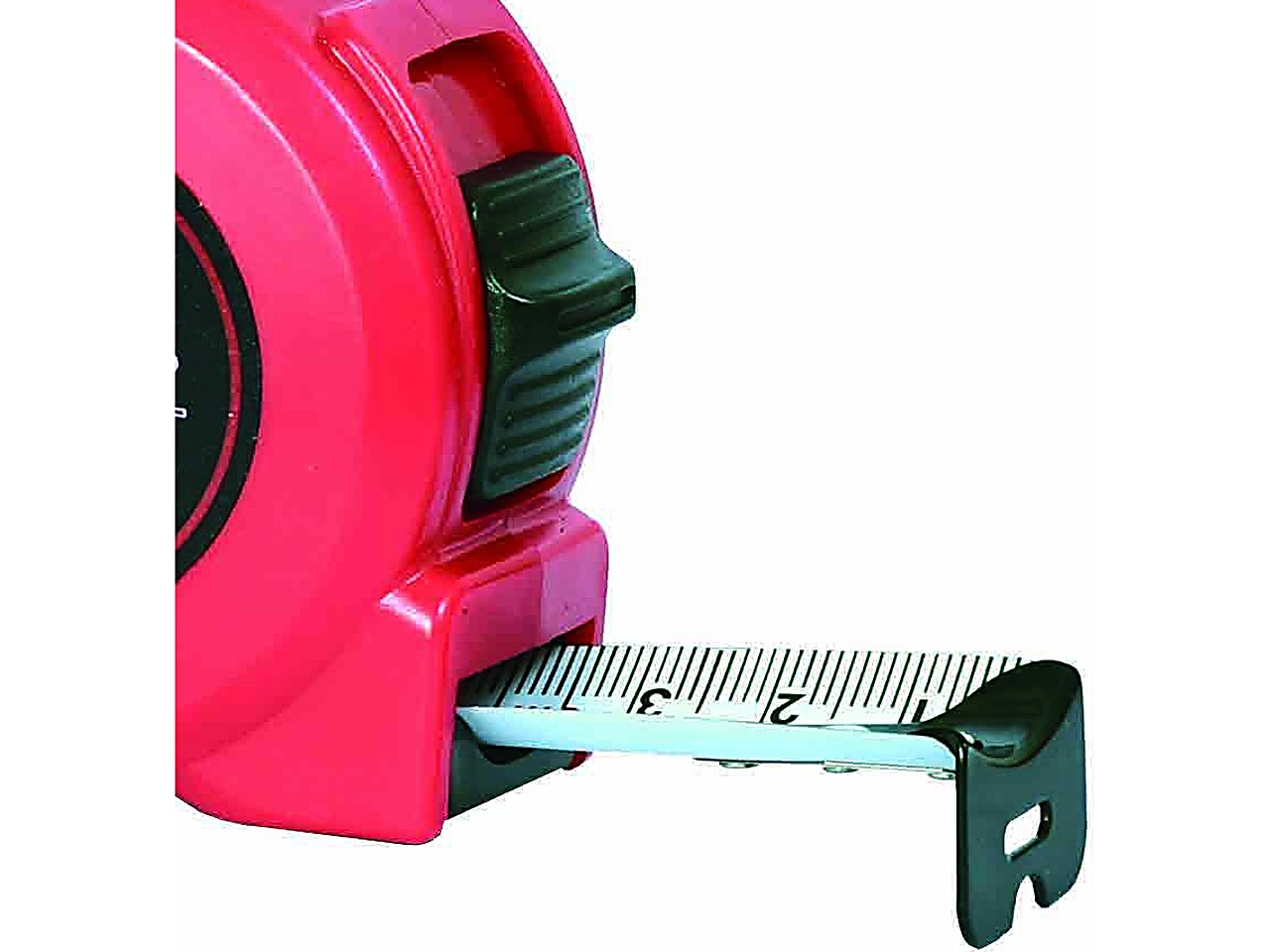
Two lines in a typical tool catalog exit Chapter 82 completely. Steel tape measures are measuring instruments: US rulings place them in heading 9017 (subheading 9017.80, with 9017.80.10 for rods, tapes and divided scales at US level). Voltage tester screwdrivers are the classic trap - depending on how the market's tariff reads their function, they can sit with electrical signal apparatus (8531) or with voltage-measuring instruments (9030), and the answer differs enough between markets that a broker confirmation - or a binding ruling where the volume justifies it - is cheaper than a mis-entry.
Electric lines change chapter again
The moment a line plugs into the mains, classification follows the electrical function. Electric soldering irons and guns are the standard example: heading 8515, subheading 8515.11. An electric line in the range therefore means the commercial invoice splits between Chapter 82, Chapter 85 and Chapter 90 families - one more reason a mixed tool container deserves a code-by-code packing list before the booking, not after the query.
How to keep the file clean
1) Fix the six-digit code from the product's function, then let the destination tariff split it to ten. 2) Keep one classification note per model - what it is, what it does, which ruling or heading text supports the code. 3) Where two headings plausibly compete (testers, multi-function tools), ask the broker for a written opinion before the first shipment. 4) Re-check codes when a tool changes generation - a new electric variant is a new classification question. 5) Keep invoices and packing lists naming goods the way the heading text does, because vague descriptions are what trigger reclassification queries.
Want the range mapped before your next entry? Send the model list and destination market through the contact page - the export team returns the carton data and packing structure each classification note needs.