Oct 28, 2026Buying Guides
Mixed Container Orders from One Supplier
How importers combine pliers, cutters, tapes and more from one hand tool factory into one container — with a worked 20GP mixed-loading example using real carton data.
Yes, you can load pliers, pipe cutters, tape measures, hex key sets and soldering irons from the same factory into one container - and for a first order, that is usually the smartest way to buy. A mixed container lets you go deep on the two or three categories your market will move fast, and test the rest with carton-level quantities instead of full production runs. This article shows what a real mixed 20ft load looks like, using actual carton data from our catalog.
Why Mixed Containers Exist
New importers face a tension: every category has a minimum order quantity, but no new buyer wants ten full pallets of an unproven SKU. The industry way out is to combine categories into one container so the total order value justifies production while each individual category stays small. As an industry benchmark, hand tool MOQs commonly run around 100-500 pieces per SKU for standard catalog items, and the usual levers for making a first order work are combining SKUs into one order, starting with existing catalog specifications instead of custom tooling, and discussing annual volume against first-order size.
Buying from one factory across categories simplifies this further. One quotation covers all carton data, one production schedule, one inspection, one set of shipping documents and one contact person. A multi-supplier container - three factories, three inland legs, one consolidation warehouse - adds coordination cost at exactly the stage where a new importer has the least experience.
A Worked 20GP Mixed Load
Here is an example plan built entirely from published carton data, the same way we build one for an inquiry. Container: 20GP, about 28 CBM usable and roughly 26,000 kg payload as typical practical values.
100 cartons KK-101 combination plier, 6 inch - 90 pcs per carton, 0.0454 m³, 23.05 kg per carton. That is 4.54 m³, 2,305 kg, 9,000 pieces.
80 cartons KK-400 PVC pipe cutter, 37 mm - 72 pcs per carton, 0.0503 m³, 14.65 kg per carton. That is 4.02 m³, 1,172 kg, 5,760 pieces.
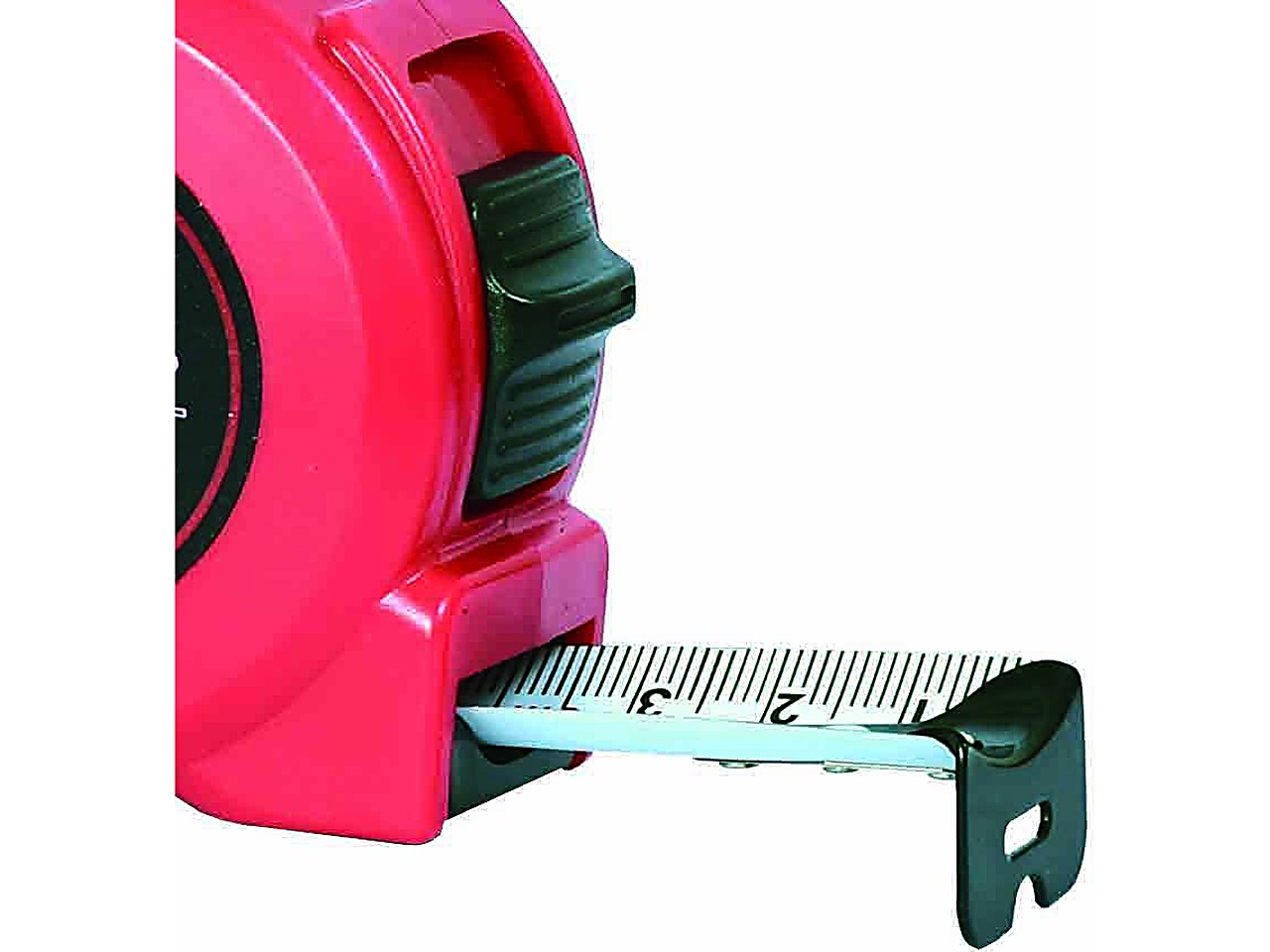
100 cartons KK02S-5025 steel measuring tape, 5 m - 120 pcs per carton, 0.0346 m³, 29.50 kg per carton. That is 3.46 m³, 2,950 kg, 12,000 pieces.
60 cartons KK-504 ball-end hex key set - 72 sets per carton, 0.0580 m³, 28.30 kg per carton. That is 3.48 m³, 1,698 kg, 4,320 sets.
50 cartons KK-661 soldering iron, 30-60 W - 100 pcs per carton, 0.0796 m³, about 14 kg per carton. That is 3.98 m³, roughly 700 kg, 5,000 pieces.
The combined load: 390 cartons, about 19.5 CBM, roughly 8,800 kg, about 36,000 units across five categories. The container still has about 8.5 CBM of volume left but more than 17 tonnes of weight headroom - which is exactly where a dense category belongs. Adding, say, 150 cartons of 8-inch pliers (6.4 m³, 5,280 kg) would bring the plan to nearly 26 CBM while staying under 14.5 tonnes. That is the planner's habit: spend leftover volume on your heaviest cartons, because weight headroom is usually what a mixed load still has when volume runs out.
Loading Order Matters in a Mixed Container
Heavy, dense cartons go on the floor - measuring tapes at 29.5 kg and pliers at 23-35 kg per carton in this example. Light, crush-sensitive cartons go on top - soldering irons at about 14 kg. Cartons with retail-ready boxes get flagged so they are not stacked under forged steel. None of this is complicated, but it needs to be written into the loading plan before the container is stuffed, not decided inside the depot.
What to Confirm Before You Book
Four things, in this order. First, the carton data for every SKU - pieces per carton, CBM and gross weight - because your whole plan is built on those three numbers. Second, the loading sequence for heavy-versus-light cartons and which SKUs are palletized. Third, whether any category needs production lead time that differs from the rest, so the container booking matches the slowest line, not the fastest. Fourth, destination port constraints: some markets apply road weight limits below the container's technical payload, which changes how much you can actually load.
The Standard First Move
Send your category list with rough quantities per SKU. We return a mixed loading plan built the same way as the example above - carton counts, CBM, weight per category, what fills the leftover space, and which limit binds first. It is the fastest way to see whether a first container covers your range or whether a second one should follow.
Contact: info@kingkongnev.com or the quotation form on our contact page.